
Estate Trustee During Litigation in Ontario: The Neutral Caretaker
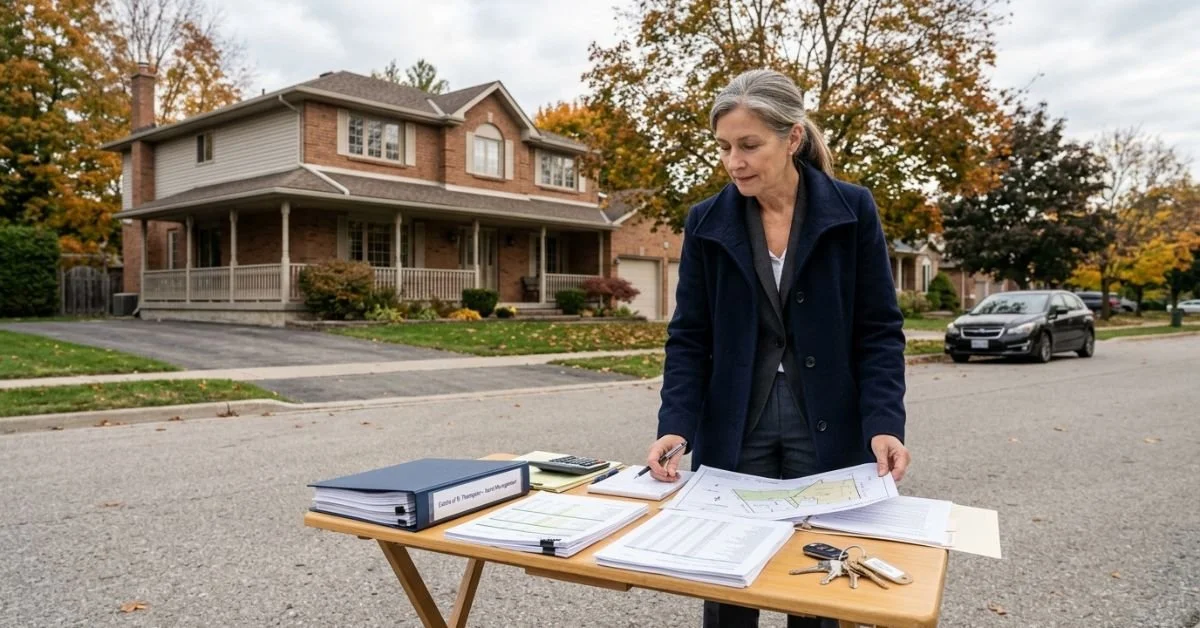
An estate trustee during litigation, usually shortened to ETDL, is a neutral person appointed by the court to administer and preserve an estate while a dispute about it is decided. The appointment is made under section 28 of the Estates Act or under Rule 75.06(3)(f) of the Rules of Civil Procedure. An ETDL has all the rights and powers of a general administrator with one significant exception: they cannot distribute the residue of the estate. That restriction is the whole design. The estate is run properly while the court works out who is entitled to it.
When Does a Court Appoint an ETDL?
Section 28 contemplates an appointment pending an action touching the validity of a will, or an action for obtaining, recalling or revoking any probate or grant of administration. The classic case is a will challenge, where the authority of the person named as estate trustee is itself in question and there may be no certificate in place.
The role has grown well beyond that. Courts have appointed an ETDL in a wider range of situations where a neutral party is needed to preserve estate assets, treating the decision as discretionary and part of the court's inherent jurisdiction to supervise estates. Baran v. Cranston, 2020 ONSC 589, reviewed the circumstances in which the court will appoint one, in an estate that arose on an intestacy rather than a will challenge.
The practical triggers tend to be these:
The validity of the will is disputed, so nobody has settled authority to act
A notice of objection has been filed and the application for a certificate is stalled
The named estate trustee is conflicted, unwilling, or is a party to the litigation
Beneficiaries cannot agree on anything and the estate is drifting
Assets are exposed: a property standing empty, taxes falling due, a business needing decisions
Urgent decisions are required and no one currently holds the authority to make them
The appointment is not treated as extraordinary. Where administration is genuinely straightforward, or the estate is too small to bear the cost, the court may decline. Where an estate needs running and the parties are fighting, appointment is the ordinary answer.
What Can an ETDL Do, and What Can They Not Do?
| Can do | Cannot do |
|---|---|
| Take control of and preserve estate assets | Distribute the residue of the estate |
| Secure, insure and maintain real property | Decide who wins the litigation |
| Collect debts owed to the estate | Advocate for any party |
| Operate or oversee a business interest | Act on instructions from one side |
| Pay debts, taxes and administration expenses | Continue indefinitely after the litigation ends |
| File tax returns and deal with the Canada Revenue Agency | |
| Gather financial and medical records the parties need | |
| Apply to the court for directions |
Section 28 states the restriction directly. The administrator appointed has all the rights and powers of a general administrator, other than the right of distributing the residue of the property. The estate is preserved rather than divided.
The line is not always obvious in practice. Ontario courts have had to consider when a payment out of what looks like residue is nonetheless permissible, and the answer turns on the circumstances and on the terms of the appointing order. An ETDL facing that question applies to the court rather than deciding it alone.
Every ETDL is subject to the immediate control and direction of the court. That phrase comes from section 28 itself, and it is the reason the role works. The ETDL is an officer of the court rather than anyone's representative.
Who Gets Appointed?
Someone with no stake in the outcome. An ETDL is commonly a trust company, a lawyer or an accountant. Ideally the appointee has no connection with the proceeding at all, and is neither a beneficiary nor a likely witness.
The parties often propose competing candidates, and the court chooses. Ontario courts have declined nominees whose independence was doubtful, including where a party proposed a relative or former relative with a professional background.
An existing estate trustee is not automatically disqualified, provided they are not a beneficiary and not at risk of being called as a witness. In most contested estates, one or both of those disqualifiers applies, which is why an outside appointee is the norm.
What Does an ETDL Cost, and Who Pays?
Section 28 provides that the court may direct that the ETDL receive reasonable remuneration out of the property of the deceased. Fees come from the estate rather than from the parties personally.
Professional ETDLs generally charge hourly rather than as a percentage of the estate, which is a departure from the usual estate trustee compensation approach, and it reflects that the role is defined by court supervision rather than by a completed administration.
The cost is a live consideration on the motion. Where an estate is modest, the court weighs whether an appointment is proportionate. This is one of the recognised reasons for declining to appoint.
No Estate Administration Tax is payable on the certificate. A Certificate of Appointment of Estate Trustee During Litigation does not attract the tax, because the tax attaches to the substantive appointment rather than to the interim one.
How Does the Appointment End?
The role runs until the litigation is complete, including any appeals. The Ontario courts have had to decide the point directly, which tells you it is not always obvious in a matter with several overlapping proceedings.
Settlement is where the transition needs care. Because an ETDL cannot distribute the residue, parties who settle frequently agree that the ETDL should complete the administration. That normally requires the appointing order to be varied, or minutes of settlement and a court order that expressly authorise the distribution.
The alternative is that the substantive estate trustee is confirmed and takes over. Once the certificate issues to the person the court determines is entitled, the ETDL accounts for the period of their administration and hands the estate on.
Our overview of estate disputes in Ontario covers how these matters are resolved, our guide on an uncooperative beneficiary covers the pressure that often precedes an appointment, and our guide on what happens if an executor refuses to act covers the different case where nobody is willing to take the role at all.
Where This Goes Wrong
Waiting too long to ask. The value an ETDL adds is preservation, and preservation works better before a property has stood empty for a winter or a business has lost its customers.
Proposing a candidate who is not genuinely neutral. Nominating someone connected to your side invites a contest over the appointment and adds cost before any estate work has been done.
Assuming the ETDL will wind the estate up. They cannot distribute the residue. Settlement documents that assume otherwise have to be redone.
Treating the ETDL as your representative. They act for the estate and answer to the court. Attempting to direct them is both ineffective and damaging to your position.
Overlooking the cost against a small estate. Where the estate cannot comfortably bear professional fees, the parties are usually better served by mediation than by an appointment.
If your estate is in dispute and the assets are exposed while it runs, an ETDL appointment is often the step that stops the damage. We act in these matters and can advise on both sides of the motion. You can book a free call to discuss it.
Frequently Asked Questions
What is an estate trustee during litigation in Ontario?
A neutral person appointed by the Superior Court of Justice to administer and preserve an estate while litigation about it proceeds. The appointment is made under section 28 of the Estates Act or Rule 75.06(3)(f), and the appointee has the rights and powers of a general administrator except the right to distribute the residue.
Who can be appointed as an ETDL?
Typically a trust company, lawyer or accountant with no connection to the dispute. The appointee must be neutral, and should not be a beneficiary or someone likely to be called as a witness. The parties may propose candidates, and the court decides.
Can an estate trustee during litigation distribute the estate?
Not the residue. Section 28 of the Estates Act expressly withholds that power. An ETDL can pay debts, taxes and administration expenses, and can seek the court's direction where a proposed payment sits close to the line.
Who pays for an estate trustee during litigation?
The estate. Section 28 allows the court to direct that the ETDL receive reasonable remuneration out of the property of the deceased. Professional appointees generally charge on an hourly basis rather than as a percentage of estate value.
Do you need a will challenge to appoint an ETDL?
Section 28 is framed around an action touching the validity of a will or a grant, but Ontario courts have appointed an ETDL more broadly, treating the decision as discretionary and part of the court's inherent jurisdiction to supervise estates. An appointment has been made on an intestacy where a neutral administrator was needed.
Is estate administration tax payable on an ETDL certificate?
No. A Certificate of Appointment of Estate Trustee During Litigation does not attract Estate Administration Tax. The tax is payable on the substantive certificate of appointment when it issues.
This article provides general information about Ontario law and is not legal advice. Speak with a lawyer about your specific circumstances.