
Retention, Revocation and Destruction of Wills in Ontario
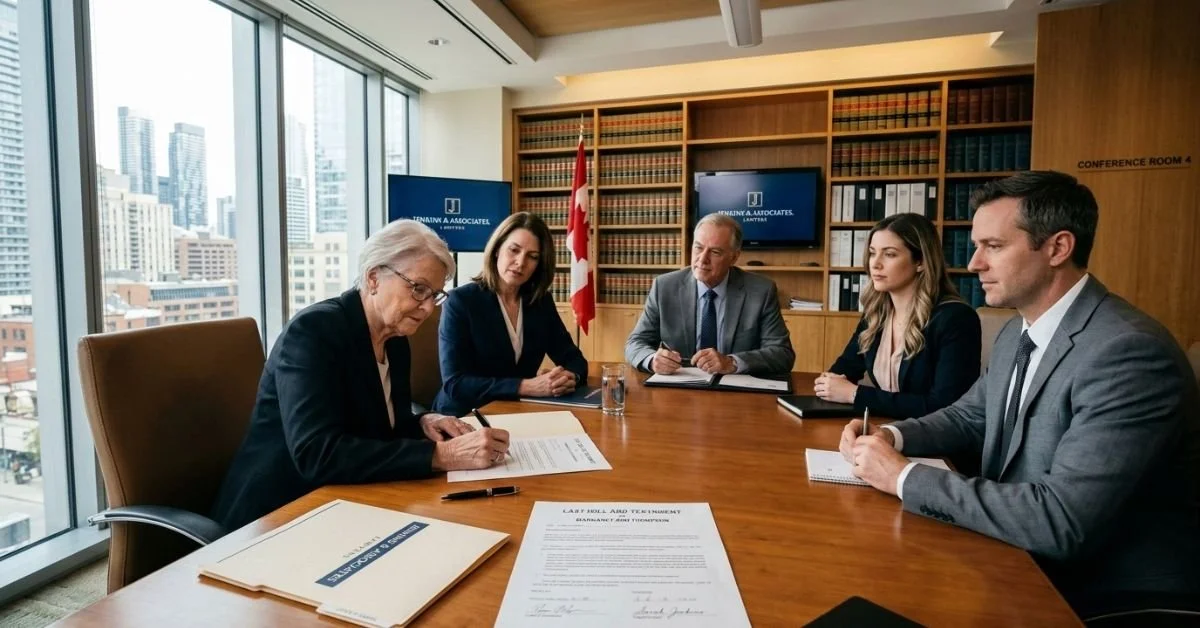
A will is an important legal document that outlines how a person’s property and assets will be distributed after death. Many people do not realize that creating a will is only part of the process.
Understanding how to store, change, or cancel a will is critical for effective estate planning. In Ontario, a will can be revoked by creating a new will that cancels previous ones or by physically destroying the original document with the intention to revoke it.
If an original will cannot be found after death, the law presumes it was destroyed on purpose to cancel it. This can create serious problems for families settling an estate.
Knowing where to keep an original will, how to revoke it, and what happens if it goes missing can prevent costly legal disputes. This article examines the rules for storing wills, methods for revoking them, and the legal consequences when wills are destroyed or lost in Ontario.
Understanding Wills and Estate Planning in Ontario
A will directs how a person's assets are transferred after death. Estate planning also includes powers of attorney and trusts.
Estate trustees execute the will’s instructions. Probate is the court process that validates the will.
Key Elements of a Will
A valid will in Ontario must meet certain legal requirements. The person making the will, called the testator, must be at least 18 years old and mentally capable of understanding the document.
The will must be in writing and signed by the testator in the presence of two witnesses. These witnesses must sign at the same time and cannot be beneficiaries or spouses of beneficiaries.
The will should clearly name beneficiaries and explain how assets will be distributed. It usually names an estate trustee to manage the estate.
Provisions for alternate beneficiaries are recommended in case primary beneficiaries predecease the testator. Many wills also include guardianship designations for minor children.
Role of Estate Trustees and Executors
An estate trustee, also called an executor, manages the deceased person’s estate according to the will. This person locates and secures assets, pays debts and taxes, and distributes assets to beneficiaries.
The estate trustee may need to apply for probate and must keep accurate records of all estate transactions. They have a legal duty to act in the best interests of the estate and its beneficiaries.
Estate trustees can be family, friends, or professionals. Some wills name multiple trustees or alternates if the primary choice cannot serve.
Overview of Estate Planning and Probate
Estate planning in Ontario involves creating documents and strategies for managing assets during life and after death. This includes wills, trusts, and powers of attorney, as well as beneficiary designations on registered accounts.
Proper estate planning helps minimize taxes, avoid family disputes, and make sure assets are transferred according to the testator’s wishes. It also considers joint ownership and the impact of marriage, divorce, or separation.
Probate is the process that validates a will and gives the estate trustee legal authority to administer the estate. The original will is required for probate applications.
The process involves filing documents with the Estate Registrar for Ontario and paying estate administration taxes. Not all estates require probate, especially those with jointly held assets or designated beneficiaries.
Retention of Original Wills
Keeping an original will safe and accessible is essential for estate administration in Ontario. Only the original will can usually be probated, so proper storage protects both the document and the testator’s wishes.
Why Retention of the Original Will Matters
The original will is needed when applying for probate. Without it, the estate trustee faces delays and increased costs.
The law presumes that a missing original will was intentionally destroyed by the testator. Overcoming this presumption is very difficult and requires additional legal steps and evidence.
A lost will can void the estate plan. Beneficiaries may receive nothing, and assets may be distributed according to intestacy rules instead of the testator’s wishes.
Extra time and legal fees to search for or prove a lost will can reduce the estate’s value.
Options for Storing a Will
There are three main storage options in Ontario. Each has different advantages for the testator’s situation.
Personal Storage: The testator can keep the original will in a safety deposit box, safe, or other secure location. This gives direct control but requires informing family or the estate trustee where to find it.
Lawyer Storage: Many law firms offer vault storage for original wills. This provides security, but the estate trustee must know which lawyer holds the will.
Court Deposit: Ontario courts accept original wills for safekeeping for a nominal administrative fee. The testator should tell the estate trustee about the deposit.
The testator should make copies of the signed will and register its location with an online registry. These steps help locate the original when needed.
Role and Obligations of Lawyers in Will Storage
Lawyers who store wills must keep them secure and accessible. The lawyer acts as a custodian with specific professional responsibilities.
The Law Society of Ontario sets rules for how lawyers retain and manage client documents, including wills. Lawyers must maintain secure storage systems that protect against loss, damage, and unauthorized access.
A lawyer storing a will should keep detailed records of its location and respond to legitimate requests from the estate trustee after the testator’s death. If a lawyer retires or closes their practice, they must transfer stored wills or notify clients.
The estate trustee should know which lawyer holds the original will. Without this information, locating the document becomes much harder after the testator dies.
Revocation of Wills in Ontario
Ontario law recognizes specific methods for revoking a will. A testator must follow one of four legal methods to validly revoke a will: marriage, creating a new will, executing a formal writing, or physical destruction.
Legal Methods of Revoking a Will
Section 15 of the Succession Law Reform Act establishes four ways to revoke a will in Ontario. Marriage automatically revokes a prior will unless the will was made in contemplation of that marriage.
A testator can also revoke a will by making a new will with a revocation clause. Another method is creating a separate writing that declares an intention to revoke, which must meet the same requirements as making a will.
The fourth method is physical destruction. The testator must destroy the will with the intention of revoking it. This must be done by the testator or by someone else in their presence and at their direction.
Both the physical act and the intention to revoke must be present for valid revocation.
Succession Law Reform Act Provisions
The Succession Law Reform Act requires strict compliance for valid revocation. Courts cannot validate documents that do not meet statutory requirements.
A typewritten statement signed by the testator does not revoke a will unless it meets all formal requirements. If someone destroys a will outside the testator’s presence, the revocation fails even if the testator directed the destruction.
The capacity required to revoke a will is the same as the capacity required for making a will. A testator who lacks mental capacity cannot validly revoke their will.
Recent Changes Related to Marriage and Separation
Marriage historically revoked a prior will unless it was made in contemplation of that marriage. This protects new spouses from being excluded from an estate.
The Succession Law Reform Act includes exceptions for wills made in contemplation of marriage. If a testator creates a will specifically for an upcoming marriage, that will remains valid after marriage.
Divorce does not automatically revoke an entire will. It revokes only the provisions benefiting the former spouse, treating those as if the former spouse predeceased the testator.
Long-term separation can also affect a will under Ontario law. Under section 17(3) of the Succession Law Reform Act, if a couple has been living separate and apart for at least three years — or if there is a valid separation agreement or court order in place — any gifts to the separated spouse in the will are revoked.
The separated spouse is also removed as executor or estate trustee, and is treated as though they predeceased the testator.
This rule came into effect on January 1, 2022, meaning the first three-year separation clocks expired in 2025. As a result, this is one of the most relevant legal issues for Ontario estates in 2026.
Testators who have separated but not yet divorced should review their wills promptly to ensure their estate plan still reflects their intentions.
Destruction and Loss of Wills
A will can be invalidated through physical destruction or become problematic if lost. Ontario law treats these situations differently, with specific legal presumptions and consequences for estate administration.
How Physical Destruction Impacts Validity
A testator can revoke a will by physically destroying it. The destruction must be intentional and done by the testator.
Common methods include tearing, burning, or otherwise damaging the will with intent to revoke. Accidental damage does not automatically revoke a will, but proving the damage was accidental can be difficult after the testator dies.
It is important to understand that simply crossing out text or writing "VOID" across the front of a will does not constitute physical destruction under the Succession Law Reform Act. Unless such markings are properly signed and witnessed as a formal amendment, a court may still find the will to be valid. Physical destruction under the Act means actually destroying the paper itself — through tearing, burning, shredding, or otherwise rendering the document unusable.
If someone else destroys the will at the testator’s request, it must happen in the testator’s presence. A properly destroyed will leaves the testator without a valid will, which may result in intestacy unless another valid will exists.
Dealing with a Lost or Misplaced Will
Ontario courts normally require the original will for probate. A lost original creates significant problems for the estate.
The estate trustee must advertise to try to locate the missing document, often reaching out to local lawyers and potential holders. If the original cannot be found, a signed copy may be probated in some cases.
This process involves extra expense and complexity. The applicant must provide evidence about the will’s contents and explain why the original is missing.
A lost will increases costs and delays for beneficiaries. The estate plan may be voided if the original cannot be located and the copy cannot be probated.
Making an electronic copy of the signed will provides protection against loss.
Presumptions and Legal Consequences
Ontario law creates a presumption when a will cannot be found. If the will was last with the testator and disappears, the law presumes the testator destroyed it intentionally to revoke it.
This presumption can be overcome, but it requires considerable evidence. The person claiming the will was not revoked must prove the will existed, show its contents, and explain why it cannot be found.
They must also show the testator did not intend to revoke it. Without sufficient proof, the court will treat the estate as if no will existed.
If a will is presumed revoked, the estate may be distributed under intestacy rules unless an earlier valid will exists.
Challenges and Disputes Involving Revocation and Destruction
Disputes over whether a will was properly revoked often arise when family members disagree about a deceased person’s intentions. Courts must examine the circumstances to determine if the revocation was valid.
Testamentary Capacity and Revocation
A person must have testamentary capacity at the time they revoke a will. They must understand they are revoking their will and know the consequences.
If someone destroys their will while lacking capacity, the revocation may not be valid. Family members might challenge the revocation by arguing the person did not understand what they were doing.
Evidence of cognitive decline or mental illness can support these claims. The estate trustee may need to prove the person had capacity when they revoked their will.
Medical records and witness testimony are often important in these cases. Courts look at whether the person understood the nature of their property and the effect of revoking their estate planning documents.
Undue Influence and Fraud
Revocation obtained through undue influence or fraud is not valid. Undue influence occurs when someone pressures or manipulates a person into revoking their will against their wishes.
Fraud involves deception that causes someone to revoke their will. This could include lying about the contents of a will or tricking someone into destroying it.
Courts take these allegations seriously because they undermine the person’s true intentions. Common signs of undue influence include isolation from family, dependence on one person, and sudden changes to estate planning documents.
The person challenging the revocation must provide evidence that coercion or deception occurred. These cases often involve detailed testimony about the relationship between the deceased and the alleged influencer.
Proving or Disputing Revocation in Court
When a will cannot be found, Ontario law presumes the person destroyed it with the intention to revoke. The estate trustee or beneficiaries can challenge this presumption, but doing so is difficult.
They must provide strong evidence that the will was lost accidentally rather than destroyed intentionally. Courts require proof of the will's contents before they can probate a lost will.
Witnesses who saw the original, copies of the will, or lawyer records can help establish what the document said. The person seeking to probate a lost will must prove it existed, was valid, and was not intentionally destroyed.
Statements from the deceased about their estate planning intentions can help rebut the presumption of revocation. The burden of proof rests on those claiming the will was not revoked.
Multiple witnesses and documentary evidence can strengthen these cases.
Practical Considerations in Estate Administration
Estate administrators in Ontario face unique challenges when dealing with multiple wills, holograph wills, and trusts. These elements require careful attention to ensure proper execution of the deceased's wishes and legal compliance.
Multiple Wills and Estate Planning Strategies
Multiple wills allow a testator to divide assets into separate categories for probate purposes. This strategy typically involves one will for assets requiring probate and another for privately held assets like shares in private corporations.
The primary will covers real estate and bank accounts that need court approval. The secondary will handles private company shares and other assets that can transfer without probate fees.
This approach reduces estate administration tax, which is calculated on the total value of assets passing through probate. Estate administrators must ensure both wills work together without conflicts.
Each will should reference the other and clearly define which assets fall under its scope. The revocation clause in each will must be carefully drafted to revoke previous wills while not affecting the companion will.
Holograph Wills and Their Impact
A holograph will is entirely handwritten and signed by the testator without witnesses. Ontario law recognizes holograph wills as valid testamentary documents.
Estate administrators face additional scrutiny when submitting holograph wills for probate. Courts examine the handwriting to confirm authenticity and the testator's capacity at the time of writing.
These wills often lack the clarity of professionally drafted documents, leading to interpretation disputes among beneficiaries. Holograph wills may contain unclear revocation language or fail to address complex estate matters.
Administrators must carefully review the document for any amendments, cross-outs, or additions that could affect validity. The informal nature of holograph wills increases the risk of challenges from disappointed beneficiaries.
Trusts Created in Wills
Testamentary trusts are established through will provisions and come into effect upon death. These trusts serve purposes such as tax planning, protecting vulnerable beneficiaries, and controlling asset distribution over time.
Estate administrators become trustees when a will creates a trust. They must understand the trust terms, identify trust property, and separate these assets from the general estate.
The trust may continue for years or decades, requiring ongoing administration beyond initial estate settlement. Common trust types include spousal trusts for tax deferral and trusts for minor children.
The will should specify trustee powers, distribution schedules, and termination conditions. Administrators must track trust income separately and file required tax returns for the trust entity.
Conclusion
Managing your will properly matters. Keeping the original safe, understanding how to revoke old wills, and knowing the rules about destruction can prevent major problems for your estate.
The law in Ontario is clear about these processes, but mistakes still happen. B.I.G. Probate Law Ontario helps clients with all aspects of will preparation and estate planning.
The firm guides people through the legal requirements for proper retention, revocation, and destruction of wills. Their team understands how small errors can create big complications when applying for probate.
Clients who work with experienced professionals avoid common pitfalls that lead to lost documents, disputed intentions, or invalid revocations. Getting help now saves families stress later.
Contact B.I.G. Probate Law Ontario at 437-525-1888 or by email at welcome@probatelawgroup.ca to discuss your will and estate planning needs.
Visit probatelawgroup.ca for more information or book a free call to speak with our legal team. Taking action today ensures your wishes are protected and your documents are properly managed according to Ontario law.
Frequently Asked Questions
Ontario law provides specific rules about how wills can be revoked, what makes them invalid, and how to handle lost or damaged documents. The following questions address common concerns about will validity and protection in Ontario.
How can a testator lawfully revoke a will in Ontario?
A testator can revoke a will in Ontario through two main methods. The first method involves creating a new will that includes clear language revoking all prior wills.
This revocation clause should be written directly into the text of the new will. The second method is physical destruction.
A testator can revoke a will by tearing it, burning it, or otherwise destroying the document with the intention to revoke it. The destruction must be done by the testator or by someone else in the testator's presence and at their direction.
A testator can change or revoke their will at any time as long as they remain mentally capable. Mental capacity means understanding why they are making a will, knowing how much property they have, and recognizing which dependants should be beneficiaries.
What voids a will in Ontario?
Several factors can void a will in Ontario. A will becomes void if the testator properly revokes it through destruction or by creating a new will with a revocation clause.
If the original will cannot be located, the law presumes the testator destroyed it intentionally, which revokes it. This presumption can be challenged but requires considerable effort to overcome.
A will may also be void if it fails to meet Ontario's strict legal requirements for validity. Ontario follows strict compliance rules, meaning the will must meet all provisions of the Succession Law Reform Act to be valid.
What are the grounds for cancellation of a will?
The grounds for cancellation of a will in Ontario align with revocation methods. A testator can cancel a will by executing a new will that expressly revokes previous wills.
Physical destruction with intent to revoke serves as another ground for cancellation. The testator must destroy the document themselves or have someone do it in their presence with their direction.
Prior to January 1, 2022, marriage automatically revoked an existing will unless it was made in contemplation of that marriage. Marriages occurring on or after January 1, 2022, no longer automatically revoke existing wills due to changes in the Succession Law Reform Act.
What makes a will invalid in Ontario?
A will is invalid in Ontario if it does not comply with the formal requirements set out in the Succession Law Reform Act. Ontario is a strict compliance jurisdiction, meaning all legal provisions must be followed exactly.
Lack of mental capacity at the time of making the will renders it invalid. The testator must understand the nature of making a will, the extent of their property, and the claims of potential beneficiaries.
A will is also invalid if it was made under undue influence, fraud, or coercion. If the testator did not have proper witnesses or the will was not signed correctly, it fails to meet validity requirements.
Can a lost or damaged will be restored, and what is the process involved?
Restoring a lost will in Ontario is very difficult. Normally, only an original will can be probated, and if the original is lost, the law presumes the testator destroyed it intentionally to revoke it.
This presumption can be overcome, but it requires substantial evidence. The person seeking to probate the lost will must prove the will existed, was valid, and was not intentionally destroyed by the testator.
Common steps include advertising locally and contacting lawyers to try to locate the original will. If the lost will cannot be found and the presumption of revocation cannot be rebutted, the estate is administered according to a previous will or under intestacy laws if no prior will exists.
What measures can be taken to prevent unlawful destruction or revocation of a will?
Storing the original will in a secure location is the main way to prevent unlawful destruction. The testator can use a safety deposit box or a safe for this purpose.
Another option is to leave the will with a lawyer for safekeeping. The testator should make sure that survivors will be able to find that lawyer or law firm when needed.
The testator can also deposit the original will with the Ontario courts for a nominal administrative fee. This provides secure storage through the court system.
It is important to inform family members about the deposit so the will can be located easily. Only one original will should exist to avoid confusion.
The testator should tell trusted individuals where the original will is kept. These people should be able to access it when necessary.